


Step onto a rig floor, into a deep mine tunnel, a chemical mixing bay, or a busy fabrication shop, and you feel it instantly; the air is thick with things that can go wrong. One unguarded machine start-up, a forgotten lockout tag, a gas pocket nobody noticed, or just someone who doesn’t belong wandering into the wrong corner can end a shift very badly. Rules and training help, but people are human.
They forget, they rush, they take shortcuts. Regulators push harder every year, yet reports keep showing preventable incidents tied to access issues or poor visibility. Access Control Systems (ACS) don’t fix everything, but they close one of the biggest gaps: stopping the wrong person from being in the wrong place at the wrong time.
The Basics, Who Gets In, Who Stays Out
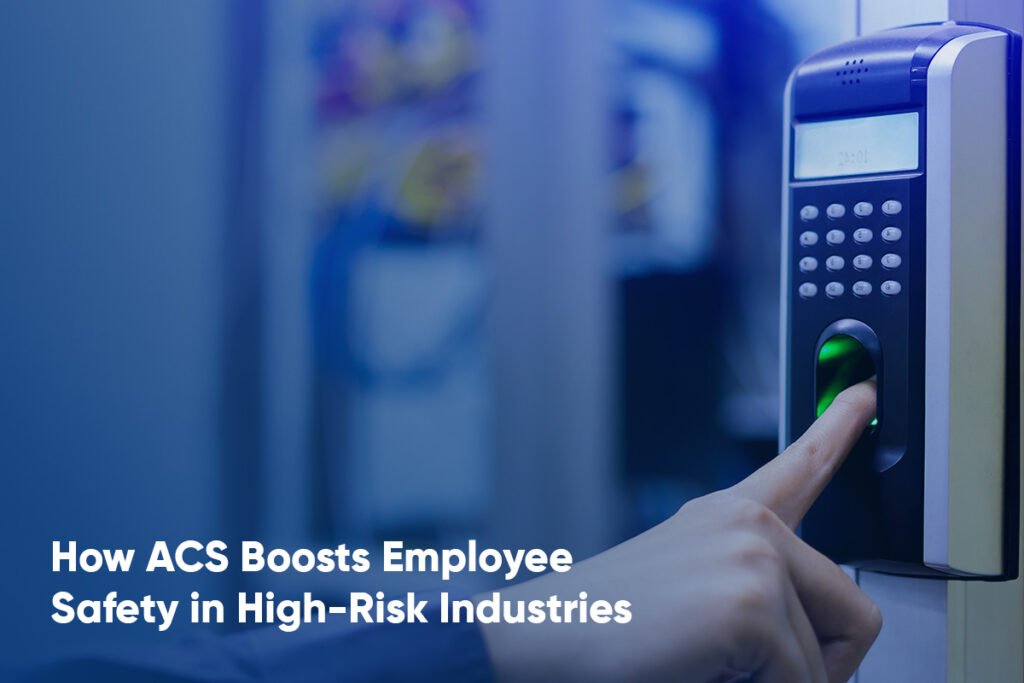
At the simplest level, ACS is a very firm doorman. Biometrics, proximity cards, PIN pads, or even phone-based credentials check every single entry. In a refinery control room or a high-voltage substation, only people with the right certifications and current training get through.
Try to piggyback or force the door, and the system slams shut, alarms sound, and the security desk receives a photo and timestamp immediately. We’ve watched sites drop unauthorized zone entries from dozens a month to almost zero after rolling this out. That alone reduces the odds of an untrained hand ending up next to live steam lines or moving parts.
Access control surveillance turns that doorman into one with eyes everywhere. Cameras linked to the doors don’t just archive footage; they feed live to whoever needs to see it. A worker lingering near a confined-space entry without a buddy? Security spots it and radios down. Someone jimmies a side gate?
The team sees the face and direction of travel in real time. It’s not intrusive monitoring, it’s practical deterrence plus the ability to rewind and understand exactly what happened if something goes sideways.
Turning Movement Logs Into Early Warnings
Once people are inside, decent ACS keeps a quiet record of where they go and how long they stay. In a large-scale plant or underground operation, the data starts to show useful patterns after a few weeks. One area that is always crowded at shift change? Consider adding a second access point or extra lighting.
Night crew spending extra time in a hot zone? Could be fatigue setting in, time to adjust breaks or staffing. These aren’t guesses; they’re facts pulled from the system. Supervisors use them to tweak things before a near-miss becomes a reportable incident.
Security and access control systems ROI isn’t abstract. Cut even a handful of injuries, and you see real money: lower insurance premiums (many carriers give discounts for verified access controls), fewer lost workdays, smaller medical and legal bills, and less production downtime while everyone deals with an investigation. Sites that run tight ACS often report 20–40% drops in safety-related interruptions. That adds up fast when every hour offline costs thousands.
When Systems Actually Talk to Each Other
Standalone access logs and separate CCTV are okay, but they leave blind spots. Someone forces a door, but the camera is pointed the other way. An entry shows up in the report, but there’s no visual to confirm who or what happened next. That’s why connecting the dots matters so much.
Access control and video surveillance integration make events and footage travel together. If a door opens in a restricted area, the relevant cameras auto-pop on the main screen, and the clip gets flagged. If it’s a tailgating attempt or a forced entry, security has the who, what, and where in seconds instead of hours.
CCTV integration with access control goes one step further toward compliance. On rigs, in plants, or at construction sites, cameras double-check that entrants have helmets, gloves, harnesses, or respirators on before moving deeper into the work area. When something does happen, investigators don’t rely on memory or conflicting statements; they have clear, time-synced video proof. That speeds up learning, fixes procedures quicker, and keeps regulators happier.
What We Do Differently at Intellve
At Intellve, we built our platform to tackle the real headaches of high-risk sites, slow alerts, scattered tools, and ignored notifications, without adding more hassle.
Here’s what stands out:
-
- One simple dashboard for doors, cameras, alarms, and visitor logs, no app-hopping needed
-
- AI that spots genuine threats and skips the noise
-
- Alerts are received in the control room, so nothing gets missed
-
- Auto-generated compliance reports with timestamps and clips attached
Designed for messy, 24/7 operations like energy, manufacturing, and infrastructure, not just demos.
The Bottom Line: Safety That Actually Works Every Shift
ACS isn’t flashy tech for the sake of it. It quietly blocks dumb mistakes, gives you eyes and data you didn’t have before, ties systems together so nothing falls through cracks, and pays for itself through fewer claims, better insurance terms, and smoother running. In places where one slip can change lives, that kind of backup matters.
If your site deals with serious hazards and you’re still juggling clipboards, standalone cameras, and crossed fingers, it’s probably time to look at something more joined-up. We at Intellve spend our days helping exactly these operations tighten things without adding complexity.
Drop us a line if you want to talk through what would make sense for your setup, your risks, your team size, and your current setup. We’ll give you straight answers and, if it fits, show you how to make safety feel less like a constant worry and more like something you can actually count on.